#1758 Body Grief: Apology and Fault
You can always listen to the Juicebox Podcast here but the cool kids use: Apple Podcasts/iOS - Spotify - Amazon Music - Google Play/Android - iHeart Radio - Radio Public, Amazon Alexa or wherever they get audio.
This discussion focuses on the emotional progression through Apology and Stage: Fault within the context of living with Type 1 Diabetes (T1D). These stages explore the transition from apologizing for one’s existence to searching for a cause for the condition.
+ Click for EPISODE TRANSCRIPT
DISCLAIMER: This text is the output of AI based transcribing from an audio recording. Although the transcription is largely accurate, in some cases it is incomplete or inaccurate due to inaudible passages or transcription errors and should not be treated as an authoritative record. Nothing that you read here constitutes advice medical or otherwise. Always consult with a healthcare professional before making changes to a healthcare plan.
Scott Benner (0:0) Hello, friends, and welcome back to another episode of the Juice Box podcast. (0:16) Body grief is the sense of loss and mourning that comes with living in an ever changing body. (0:21) And in this new series with myself and Erica Forsyth, we're gonna talk all about it. (0:29) The podcast contains so many different series and collections of information that it can be difficult to find them in your traditional podcast app sometimes. (0:37) That's why they're also collected at juiceboxpodcast.com.
Scott Benner (0:41) Go up to the top. (0:42) There's a menu right there. (0:43) Click on series, defining diabetes, bold beginnings, the pro tip series, small sips, Omnipod five, ask Scott and Jenny, mental wellness, fat and protein, defining thyroid, after dark, diabetes variables, grand rounds, cold win, pregnancy, type two diabetes, GLP meds, the math behind diabetes, diabetes myths, and so much more. (1:03) You have to go check it out. (1:04) It's all there and waiting for you, and it's absolutely free.
Scott Benner (1:08) Juiceboxpodcast.com. (1:11) Nothing you hear on the Juicebox podcast should be considered advice, medical or otherwise. (1:16) Always consult a physician before making any changes to your health care plan or becoming bold with insulin. (1:30) I'm having an on body vibe alert. (1:32) This episode of the Juice Box podcast is sponsored by Eversense three sixty five, the only one year wear CGM.
Scott Benner (1:41) That's one insertion and one CGM a year. (1:44) One CGM, one year. (1:47) Not every ten or fourteen days. (1:49) Eversense cgm.com/juicebox. (1:52) Today's episode is also sponsored by US Med, usmed.com/juicebox, or call (888) 721-1514.
Scott Benner (2:03) Get your supplies the same way we do from US Med. (2:06) The podcast is also sponsored today by the Tandem MOBI system, which is powered by Tandem's newest algorithm, Control IQ Plus technology. (2:15) Tandem MOBI has a predictive algorithm that helps prevent highs and lows and is now available for ages two and up. (2:22) Learn more and get started today at tandemdiabetes.com/juicebox. (2:29) Erica, we are back again to continue our body grief series.
Scott Benner (2:33) Why don't you take a second to, tell everybody what we've talked about so far in the previous episodes very briefly? (2:39) They can go listen if they haven't. (2:41) And then, what are we gonna be talking about today?
Erika Forsyth (2:43) Great. (2:44) Yes. (2:45) So we have discussed body grief through kind of we did intro was the of our first episode and reminding you the definition of body grief is the sense of loss and mourning that comes with living in an ever changing body that's as defined by Jane Mattingly in her book, this is body grief. (3:06) And then in episode two, we went over the stage one, which is dismissal, and stage two, which is shock. (3:16) And so today, we're gonna move into stage three, which is apology.
Scott Benner (3:22) Apology. (3:23) What does that look like for people living with type one diabetes?
Erika Forsyth (3:27) Okay. (3:28) So apology sounds like when you hear yourself saying either externally or internally, I'm sorry for being me. (3:38) I'm sorry that I have to ask you to wait while my blood sugar comes up. (3:44) I'm sorry Maybe you're, you know, hiding and doing your, you know, site changes privately. (3:52) There's nothing wrong with that, but we'll get into what what's underneath those types of actions and thoughts.
Scott Benner (3:57) Okay.
Erika Forsyth (3:58) So apology, it it might look like you're trying to be polite and considerate Mhmm. (4:04) By altering what your what your reality. (4:06) Right? (4:07) Like, but maybe you're trying to accommodate other people's comfort. (4:10) Maybe you're trying to accommodate other people's expectations.
Erika Forsyth (4:14) But you also simultaneously might be regulating yourself as well. (4:19) Well, you're saying, I'm sorry, you know, trying to be considerate to other people, and it looks maybe very socially acceptable, you also might be regulating your own discomfort around what is happening, like what is causing that body grief. (4:35) And, obviously, in the context today, talking about the diabetes, but this could be about any new sudden injury or loss or physical illness, you know, relating to your body.
Scott Benner (4:48) So a shame or embarrassment even that could come with the fact that your body's doing something that you would not have chosen for it to do, but it's happening anyway. (4:58) And now it's going to inconvenience you and by extension other people around you, and then you're apologizing for that. (5:05) But the underlying aspect of that is that you're really apologizing for something you can't control that you wouldn't have put in this situation to begin with. (5:15) Does that feel that's about right. (5:16) Right?
Erika Forsyth (5:17) Yes.
Scott Benner (5:18) Yeah. (5:18) Okay.
Erika Forsyth (5:18) Like, something that's out of your control, you also might be trying to avoid feeling what you're feeling in the moment. (5:26) Right? (5:27) So you're trying to just okay. (5:28) I'm sorry. (5:29) And and it it again, it can be very convenient or socially acceptable, but when you're in this stage, it actually doesn't lessen the pain even though you think you're you're trying to dismiss actually what's happening.
Scott Benner (5:44) Okay.
Erika Forsyth (5:45) Again, whether you're trying to accommodate other people's comfort or your own, really, you're you're in this space of not allowing yourself to feel what you what you feel or or give your body what it needs in that moment.
Scott Benner (5:57) It it feels a little to me like when I hear adults say this is a thing that's been said to me so many times over the years, and I I never don't feel terrible hearing somebody say it out loud. (6:07) When they refer to themselves as a bad diabetic. (6:10) Right? (6:10) Mhmm. (6:11) Like, it feels like I don't even know what.
Scott Benner (6:14) It almost feels like they're trying to get out ahead of your under I don't know. (6:17) I don't know how to put it. (6:18) It's such a complicated thing. (6:20) But they're apologizing for not being perfect based on some set of standards that somebody set up for them. (6:28) And, gosh, I have to dig deep into how I feel about this when it happens when when somebody says it to me.
Scott Benner (6:34) I feel badly for them because I feel bad that, a, they didn't that they don't feel like they're doing a good job for themselves, that it's possible that somebody set up an expectation for them that was unfair to begin with that they didn't prepare them for dealing with, and that they feel compelled to externalize that to strangers or other people. (6:56) That's the part I find heartbreaking, and I can't tell you why. (6:59) I just know that I do. (7:01) And it makes this makes me feel like that too. (7:04) You know, that you are, you know, sitting on a park bench waiting to not be dizzy anymore, looking at your friends, realizing everybody wants to be, you know, ahead of where where you were going, but they're not.
Scott Benner (7:15) They're waiting with you. (7:16) It appears to them that you're at fault, but you're not a willing participant in what's happening right now. (7:22) I mean, I guess what we're trying to help people feel is the the separation between their decisions and things that are out of their control. (7:31) Right? (7:31) Like, you don't wanna be your body.
Scott Benner (7:34) Is that am I getting to anything here, or am I not making any sense?
Erika Forsyth (7:37) Yeah. (7:37) Okay. (7:38) So you are making sense. (7:41) I'm I'm gonna
Scott Benner (7:43) Please.
Erika Forsyth (7:43) Kind of include what you just shared and then share an example that just happened. (7:47) Right before we were recording
Scott Benner (7:49) Oh, that's right.
Erika Forsyth (7:50) I noticed that I might I added, diagonal ink arrow down. (7:54) Mhmm. (7:55) And I was one seventeen, and I noticed I didn't have my glucose tablets on my desk like they are. (8:00) And what did I say? (8:01) I said, I'm sorry.
Scott Benner (8:02) Oh, that's right. (8:03) You apologized.
Erika Forsyth (8:04) I said, I'm sorry. (8:05) We can't record yet. (8:06) I need to go to the other room and grab my my glucose tablets.
Scott Benner (8:09) Right.
Erika Forsyth (8:10) I guess, so in that moment, I felt ill prepared. (8:12) I felt badly because I was gonna have you wait for another minute or two. (8:17) Know?
Scott Benner (8:18) And I have experience, so I didn't think twice about it. (8:21) Mhmm. (8:21) But other people are like, oh, great. (8:24) The lady with diabetes are holding up is holding up the thing. (8:27) Right.
Scott Benner (8:27) Oh, oh, oh, So I And you're aware of that?
Erika Forsyth (8:30) Yes.
Scott Benner (8:30) Yes. (8:31) Okay.
Erika Forsyth (8:32) But I I I instinctively apologized because then I realized, oh, no. (8:37) Is this gonna be inconvenient for you? (8:39) Because I'm not prepared.
Scott Benner (8:41) What's the difference when that inconvenience stems from your body and not, like what if you just needed a pen and you realized you didn't have a pen? (8:48) You're like, oh, I'm sorry. (8:49) I forgot to bring a pen. (8:50) I gotta go grab a pen. (8:50) And you got up and you walked away.
Scott Benner (8:52) That wouldn't feel the same way as, hey. (8:56) I have to go get glucose tablets now because my body doesn't regulate my glucose properly and blaze. (9:01) Like, right. (9:01) Like and so that connection point is the unfair connection because at least you can take responsibility for forgetting to bring a pen, for example. (9:11) Mhmm.
Scott Benner (9:11) But you can't take responsibility for your pancreas not working well or the fact that you have to use, you know, insulin or other means to to control it, and sometimes you get low afterwards. (9:20) So that's what this that that part right there, whatever that is, that's what this whole series is about. (9:26) Yes. (9:26) That that spot.
Erika Forsyth (9:28) Yes. (9:28) So in that spot right there, thankfully, I think in that context, I knew you would understand. (9:34) I still felt like I wanted to apologize for, you know, creating a pause. (9:39) Right. (9:40) And I did have a minute of, like, oh gosh.
Erika Forsyth (9:42) I thought I you know, I really tried to be particularly when we record Mhmm. (9:46) To be really stable in a in a good place with my at a healthy range. (9:51) And so I had a second of, uh-oh. (9:53) What if I go low? (9:55) You know, this is this all this is like Happens
Scott Benner (9:57) right away.
Erika Forsyth (9:57) Split second. (9:58) Yeah. (9:58) What if I go low? (9:59) And even just now as we're talking about it, I was looking. (10:01) I'm like, okay.
Erika Forsyth (10:02) No. (10:02) I'm I'm good. (10:03) I'm stable. (10:04) But it can it can very it can slide so quickly into that shame, and that's what we're gonna get into if we're of you
Scott Benner (10:13) know? (10:13) Okay.
Erika Forsyth (10:14) Oh, I'm a bad I'm a bad diabetic. (10:16) I'm I didn't prepare.
Scott Benner (10:17) In that moment, did you think, oh god. (10:19) What did I do before that caused this low?
Erika Forsyth (10:21) No. (10:21) Because I knew I I gave a bolus of two units earlier. (10:24) So
Scott Benner (10:24) You already knew what you
Erika Forsyth (10:25) did. (10:25) Down.
Scott Benner (10:26) Right. (10:26) Right.
Erika Forsyth (10:27) So That might have been a little aggressive, but, actually, it worked out just fine.
Scott Benner (10:30) You didn't end up needing the tablets?
Erika Forsyth (10:32) Oh, I took two. (10:33) Yeah. (10:33) Yeah.
Scott Benner (10:34) You're like,
Erika Forsyth (10:35) oh, no. (10:35) Now I'm stable.
Scott Benner (10:36) No. (10:36) I needed them. (10:37) So you ate you ate them on the way back to the desk.
Erika Forsyth (10:39) I I chewed them very quickly on the way back.
Scott Benner (10:41) Yes. (10:42) Wow. (10:42) Boy, that is a lot. (10:43) I okay. (10:44) Good.
Scott Benner (10:44) You you keep moving forward. (10:45) Thank you.
Erika Forsyth (10:46) So, yeah, it's in that that space. (10:49) Right? (10:49) And that I'm sorry, you know, I'm sorry for needing to take a few minutes too. (10:53) I mean, that's in my notes as an example. (10:56) Mhmm.
Erika Forsyth (10:56) And this is a natural part of living with type one. (11:01) We are negotiating these things all the time. (11:05) And what we're wanting to recognize, though, for, like, the example of maybe you're leaving your room leaving the room to site change or inject or or treat Lowe's. (11:13) I did all of those things, Demio. (11:14) Maybe your that that feeling of, oh, no.
Erika Forsyth (11:18) I can't start the meeting yet because I'm low, or the feeling that you have to if you're playing in a sports game and you have to sub out because you're going low or high Yeah. (11:28) And then you feel that responsibility. (11:30) Right? (11:31) And, like, I'm sorry. (11:32) Should I keep going?
Erika Forsyth (11:33) Sorry. (11:34) Gonna say something. (11:34) Something out.
Scott Benner (11:35) Yeah. (11:35) Do you know that, like, you've had other I mean, we've done this a number of times together, like, over the years. (11:40) Right? (11:40) Mhmm. (11:40) You've had to got get up and walk away a number of other times.
Scott Benner (11:43) This is the only time you muted your microphone and shut your camera off when you walked away.
Erika Forsyth (11:48) Oh, really?
Scott Benner (11:48) Yeah. (11:50) Because it it struck me. (11:51) Was like, that's odd. (11:52) She never does that. (11:53) But it now I'm wondering if you didn't subconsciously not want me to hear you have to open the tablets or take the
Erika Forsyth (12:00) or, like,
Scott Benner (12:00) I Chew. (12:01) Or chew or what I I wonder. (12:02) Like, I don't know. (12:03) Maybe I'm I'm looking too deeply. (12:05) Yeah.
Scott Benner (12:05) But you've walked away, you know, half a dozen times to go talk to your husband or figure something out. (12:10) You've never shut the microphone off or shut off the camera before.
Erika Forsyth (12:13) So Very interesting. (12:15) Well, may and I this wasn't on purpose for the illustration, but it's you kinda
Scott Benner (12:19) Listen. (12:20) I've been making this podcast a long time, and one thing I know for sure is that a new example comes up every day for me to talk to. (12:26) So that that's not
Erika Forsyth (12:28) surprising. (12:29) That could be all of that, or maybe I just didn't want you to see the mess in my office. (12:32) I don't know.
Scott Benner (12:33) I don't know. (12:33) I I just it was very I just really I found myself thinking when you walked away, she's never done that before. (12:39) So, anyway
Erika Forsyth (12:40) And and another one other quick story, but you probably I might have already if I already shared this, please tell me. (12:45) But the flying back and forth for college, and I would constantly in the beginning so this would be, you know, five years No. (12:55) Six six years into diagnosis. (12:57) Mhmm. (12:57) And I would go to the airplane bathroom to take my blood sugar and inject because I was not comfortable doing it in bringing in the airplane seat.
Erika Forsyth (13:09) Now after freshman year, I went on a pump, and I still remember going to the bathroom, which is highly you know, that's pretty gross to take my blood sugar
Scott Benner (13:20) Yeah.
Erika Forsyth (13:20) And then bolus from my pump. (13:22) It was around halfway through sophomore junior year that I said, this is gross. (13:27) I'm I'm not going to apologize if this makes somebody else uncomfortable.
Scott Benner (13:32) Right.
Erika Forsyth (13:32) And so I remember putting down that tray table and doing my thing. (13:35) I probably didn't wipe it off. (13:37) But you
Scott Benner (13:38) didn't go into the p place.
Erika Forsyth (13:39) I didn't go into the
Scott Benner (13:40) bathroom. (13:40) Yeah.
Erika Forsyth (13:42) And so I have this vivid moment of that transition of, like, you know what? (13:46) This is I'm not gonna apologize for this, but that took me that was, you know, seven years
Scott Benner (13:51) That's something.
Erika Forsyth (13:52) Into living with type one. (13:54) And so I just share that and that everyone's on their own journey. (13:57) Yeah. (13:58) You don't have to be you know, we we always talk about the devices, you know, wearing them publicly or not, and there's no right or wrong way. (14:06) But I think what I would invite you to consider is what noticing the why.
Erika Forsyth (14:11) Like, what are you embarrassed? (14:13) Are you worried about making other people feel uncomfortable?
Scott Benner (14:17) Mhmm.
Erika Forsyth (14:18) And and reflecting on that. (14:19) Is there shame underneath some of those actions?
Scott Benner (14:22) Yeah. (14:23) I see it in so many different places, the strangest first of all, I wanna say that I I is that the diabetes mile high club, like, testing your blood sugar in the bathroom at the airplane? (14:32) Is that the equivalent of that? (14:33) Because that's Oh
Erika Forsyth (14:34) my gosh. (14:35) I know. (14:35) It's it's still it's really kind of gross to think about, but I did it.
Scott Benner (14:38) Yeah. (14:39) No. (14:39) And it's funny too because you were younger, so I get how it could have happened. (14:42) And I was older when Arden was diagnosed. (14:44) I would never let Arden go in the bathroom to do anything.
Scott Benner (14:48) Like, I would Mhmm. (14:49) I would always just say, like, no. (14:51) Like, just do it here. (14:52) I don't care if people are uncomfortable. (14:54) I couldn't possibly care less.
Scott Benner (14:55) Like, you are not going in the bathroom to, you know, to do this. (15:00) Well, I I the way I used to put it in the in the blog is we're not going in the bathroom to open up a a hole into the inside of our body. (15:08) Like like, it it in a restaurant. (15:10) Like, that just seems like a bad idea. (15:15) This episode is sponsored by Tandem Diabetes Care.
Scott Benner (15:19) And today, I'm gonna tell you about Tandem's newest pumping algorithm. (15:22) The Tandem Mobi system with Control IQ plus technology features auto bolus, which can cover missed meal boluses and help prevent hyperglycemia. (15:32) It has a dedicated sleep activity setting and is controlled from your personal iPhone. (15:37) Tandem will help you to check your benefits today through my link, tandemdiabetes.com/juicebox. (15:44) This is going to help you to get started with Tandem's smallest pump yet that's powered by its best algorithm ever.
Scott Benner (15:50) Control IQ Plus technology helps to keep blood sugars in range by predicting glucose levels thirty minutes ahead, and it adjusts insulin accordingly. (15:59) You can wear the Tandem Mobi in a number of ways. (16:02) Wear it on body with a patch like adhesive sleeve that is sold separately, clip it discreetly to your clothing, or slip it into your pocket. (16:10) Head now to my link, tandemdiabetes.com/juicebox, to check out your benefits and get started today. (16:19) I used to hate ordering my daughter's diabetes supplies.
Scott Benner (16:23) I never had a good experience, and it was frustrating. (16:26) But it hasn't been that way for a while, actually, for about three years now because that's how long we've been using US Med. (16:34) US Med Dot Com Slash Juice Box or call (888) 721-1514. (16:42) US Med is the number one distributor for Freestyle Libre systems nationwide. (16:48) They are the number one specialty distributor for Omnipod Dash, the number one fastest growing tandem distributor nationwide, the number one rated distributor in Dexcom customer satisfaction surveys.
Scott Benner (16:59) They have served over one million people with diabetes since 1996, and they always provide ninety days worth of supplies and fast and free shipping. (17:09) US Med carries everything from insulin pumps and diabetes testing supplies to the latest CGMs, like the Libre three and Dexcom g seven. (17:19) They accept Medicare nationwide and over 800 private insurers. (17:25) Find out why US Med has an a plus rating with the Better Business Bureau at usmed.com/juicebox, or just call them at (888) 721-1514. (17:37) Get started right now, and you'll be getting your supplies the same way we do.
Erika Forsyth (17:42) And did she do you think she internalized that and adopted that mindset of, not not apologizing?
Scott Benner (17:48) She does not give a who sees her with her diabetes. (17:52) But I will say this, that last night, she did tell a story about, like, having to change a pump or something, and she had to leave where she was. (18:03) And then I I guess something happened, and I guess she realized that it was gonna be an inconvenience. (18:09) And she said, no. (18:11) I'm not gonna do that.
Scott Benner (18:12) I'll wait here. (18:13) And it was her boyfriend that said, no. (18:15) Take care of yourself, not the group. (18:19) But she was gonna defer something about her own care to help other people not feel inconvenienced by her. (18:26) That is interesting.
Scott Benner (18:27) It just did happen last night. (18:29) How about that? (18:29) Okay.
Erika Forsyth (18:30) Yes. (18:30) So that's and that's that's just such a tough space. (18:34) Right? (18:34) Because you wanna be considerate of other people's timeline
Scott Benner (18:39) Mhmm.
Erika Forsyth (18:39) What whatever it may be, comfort, expectations, and yet it somehow feels like it'd be selfish to ask them to wait.
Scott Benner (18:48) Yeah. (18:48) No. (18:48) I think there's and it and they're you're not wrong. (18:50) It is something about the diabetes piece of it too because she is not that I mean, she's considerate. (18:57) She's actually very considerate of other people's time, but I do wonder how much of it is the fact that it's you don't wanna give in to the diabetes.
Scott Benner (19:06) Is that one way to think of it? (19:08) I don't know. (19:08) Like, you know, does that make sense? (19:10) Like, you don't want it to be the lever that causes the problem?
Erika Forsyth (19:13) Right. (19:14) Or have it to it almost is like a control situation. (19:19) Right?
Scott Benner (19:19) Like It's in control of you. (19:21) Mhmm. (19:21) That's it. (19:22) You don't want the diabetes to be in control of you.
Erika Forsyth (19:25) Right.
Scott Benner (19:25) You being polite to people, that's fine. (19:29) Like but you don't wanna be forced to do it. (19:31) Okay. (19:32) And then the connection to it being back to your body is the part that makes you feel helpless.
Erika Forsyth (19:37) Right.
Scott Benner (19:37) Okay.
Erika Forsyth (19:37) Right.
Scott Benner (19:38) Okay.
Erika Forsyth (19:38) Yeah. (19:39) I guess there's there's so many different emotions that can happen in that moment when you notice yourself feeling like you need to apologize for something related to your diabetes. (19:49) Right? (19:49) And and yet we are forced to have to negotiate that space
Scott Benner (19:54) Mhmm.
Erika Forsyth (19:54) All of the time. (19:55) And then that can lead to the the shame, the blame, the anger, the sadness, the grief.
Scott Benner (20:01) I gotcha.
Erika Forsyth (20:02) And I think that's part of you know, we hear a lot about the experience of of beeping and making noise in in quiet spaces.
Scott Benner (20:13) Mhmm.
Erika Forsyth (20:13) And so often, myself included, feel like we need to apologize for that, you know, that noise. (20:20) I mean, this is it's all very similar examples.
Scott Benner (20:23) Could you do that thing where you grab your phone and, like, hug it to yourself to, like, when it gets loud? (20:30) Why would you settle for changing your CGM every few weeks when you can have three hundred and sixty five days of reliable glucose data? (20:38) Today's episode is sponsored by the Eversense three sixty five. (20:42) It is the only CGM with a tiny sensor that lasts a full year sitting comfortably under your skin with no more frequent sensor changes and essentially no compression lows for one year. (20:55) You'll get your CGM data in real time on your phone, smartwatch, Android, or iOS, even an Apple Watch.
Scott Benner (21:03) Predictive high and low alerts let you know where your glucose is headed before it gets there, so there's no surprises, just confidence. (21:11) And you can instantly share that data with your health care provider or your family. (21:15) You're going to get one year of reliable data without all those sensor changes. (21:20) That's the Eversense three sixty five. (21:23) Gentle on your skin, strong for your life, one sensor a year that gives you one less thing to worry about.
Scott Benner (21:29) Head now to eversensecgm.com/juicebox to get started.
Erika Forsyth (21:34) Yes. (21:35) And I I'm even hyper aware of my, I mean, the I wear the Moby, and the actual clicking sound is a little bit louder than the t slim. (21:43) Like, not much, but I'm I'm aware of it even when I'm sitting with clients who have diabetes. (21:48) And I can hear their clicking, and I can hear my clipping clicking. (21:52) And I'm not necessarily embarrassed because I know they know, particularly in that situation, but you're just so hyperaware.
Scott Benner (21:59) It's in your head.
Erika Forsyth (22:01) Mhmm.
Scott Benner (22:01) Yeah. (22:02) Jeez. (22:03) Is it wrong for me to say tandemdiabetes.com/juicebox if you'd like to look into a Moby or a t slim? (22:08) Thank you very much. (22:09) Keep going.
Scott Benner (22:09) Erica, thank you.
Erika Forsyth (22:10) Not wrong. (22:11) Not wrong. (22:11) I love I love my Moby. (22:12) The sense of, you know, even just, like, beeping. (22:15) One of the first things you hear when people go to a conference, almost the first response is it feels so good to hear all the beeping in the room because it normalizes your experience if your alarms are going off or whatever.
Scott Benner (22:26) Right.
Erika Forsyth (22:27) And I think that's why, you know, it is so important and effective in our t one d. (22:33) Our diabetes community at large is so unique and special and tight because you don't have to have that gut response of needing to apologize in that space.
Scott Benner (22:44) Mhmm.
Erika Forsyth (22:45) There's automatic understanding, and normalizing. (22:50) And so if you're in if I think if you are in a space where you feel like you're living in this world of needing to apologize either to make other people feel comfortable or yourself kind of regulate your own emotions, you're not enjoying that experience, I think that would be a wise choice if you're able to to go to an in person conference or event to experience that. (23:13) Oh, I don't I don't need to do that here.
Scott Benner (23:15) Because you can give that away when you walk in.
Erika Forsyth (23:16) That's right.
Scott Benner (23:17) Right. (23:17) Like, because everyone here just like you didn't need to apologize to me to walk away to get your tablets. (23:22) Everyone in that scenario was me, and I'm just like, yeah. (23:25) It's fine. (23:25) I don't I I wouldn't think twice about it.
Scott Benner (23:27) Like Right. (23:28) Never, you know, because I've I've I've lived so closely to it. (23:32) My oh, yeah. (23:32) Okay.
Erika Forsyth (23:33) And and your automatic response was actually going back to this first example was, oh, yeah. (23:37) No no worries. (23:37) No no problem. (23:38) Like, don't worry.
Scott Benner (23:39) Like I just turned to my other computer and started doing something else. (23:41) I was like, well, I have time to do this now. (23:43) Yeah. (23:43) But other people do. (23:45) I guess I know that.
Scott Benner (23:47) But until you sit down like the like we are now in a quiet moment just talking between the two of us and to to really like, for me, I'm aware of it, but it's not a thing I think of because it's not happening to me. (23:59) Mhmm. (23:59) And even when it happens, when Arden's with me, I'm not worried. (24:05) Like, I don't have that gear where I'm not embarrassed or feel ashamed. (24:09) Like, I'm worried for her, but, like, not for myself because I really don't care what people think.
Scott Benner (24:15) And I hope that she feels that way too, but I don't think I don't think there's any way to actually a 100% feel that way. (24:21) I think on some level, you're always fooling yourself a little bit if you say you don't care what other people think. (24:28) You know? (24:28) It's tough.
Erika Forsyth (24:30) Yeah. (24:30) It is tough. (24:31) I mean, it's human nature to to care what people think to a certain degree.
Scott Benner (24:35) My son is 25. (24:37) He said to me the other day, is there a way to take this label off this jacket? (24:41) And I was like, what? (24:42) He goes, oh, it's my jacket I wear. (24:43) He snowboards?
Scott Benner (24:44) He's like, it's my snowboarding jacket. (24:47) It's a great jacket. (24:48) Keeps me really warm. (24:49) I love the pockets. (24:50) It's really comfortable and everything.
Scott Benner (24:51) Goes, but and I'm like, what do you wanna take the name off it for? (24:55) And he's like, real serious snowboarders see it as, like, not good gear. (24:58) And I went, do you really care about that? (25:01) And he paused and didn't even know how to answer me. (25:03) And he was like, I guess not.
Scott Benner (25:05) And I was like, okay. (25:08) Because I don't think of him as a person who's running around. (25:10) Like, that's a strange thing to me. (25:12) Like, when he said that, he he stopped me. (25:14) I was like, what the heck just happened here?
Scott Benner (25:16) But it's a good example of it outside of the diabetes. (25:18) Like, that's a thing that occurred to him at some point. (25:21) So when I started doing this, I bought this jacket. (25:23) I didn't know this wasn't the end thing to do. (25:26) I'm a much better snowboarder now, and I don't want those people to think I'm not.
Erika Forsyth (25:29) Very normal. (25:31) Very normal.
Scott Benner (25:31) And that's all unspoke all unspoken in your head. (25:34) Mhmm. (25:34) You know what I mean? (25:35) Mhmm. (25:36) Oh, boy.
Scott Benner (25:36) I don't know. (25:37) Well, don't worry. (25:38) AI will take over all of our jobs. (25:39) You have plenty of time to think about yourself and get this all worked out. (25:42) I'm sure it'll be fine.
Erika Forsyth (25:44) Know, noticing you said it was all in his thoughts. (25:45) Like, so if you are noticing that you are very mindful and thinking a lot about what you know, if they look at your device and you're trying to mind read or if you're feeling embarrassed or ashamed, one another tool, you know, instead of that gut reaction of I'm sorry is thinking about reframing that automatic thought. (26:08) And we've talked about CBT before and that cognitive triangle, how our thoughts impact how we feel and what we do. (26:15) And that all goes, you know, backwards and forwards in this triangle. (26:19) One thought that I think is particularly helpful is to think this might sound like a little bit like we're blaming the other person, but it's actually not.
Erika Forsyth (26:29) So it is other people's lack of knowledge or understanding about t one d that makes me apologize for beeping or or fill in the blank. (26:39) Mhmm. (26:39) It is not my job to apologize for that. (26:42) So it that again, it it might feel like, oh, is that harsh? (26:45) It's it's other people's lack of knowledge or understanding about t u n d that makes me apologize for beeping, but it's not my job to apologize for that.
Erika Forsyth (26:52) But so kind of just you could fill in the blank, but have this thought kind of percolating in your mind of, wait. (27:00) Why why am I apologizing for that? (27:02) Yeah. (27:02) Oh, it's because they don't understand, but I don't need to apologize because they don't understand. (27:06) Does that make sense?
Scott Benner (27:07) Yo. (27:07) You can almost take it one farther. (27:09) They're not asking you to apologize. (27:10) You've you right? (27:11) You're you're you feel that way and and Yes.
Scott Benner (27:14) But you feel that way because they don't understand. (27:17) And listen, you apologize to me when you didn't need to, but I hope that the next time something like that happens, you'll think of me as a comrade. (27:23) This you won't apologize to me. (27:25) Like right? (27:26) Mhmm.
Scott Benner (27:26) Mhmm. (27:26) But for a a, you know, I don't know, a stranger or somebody that's just in a situation with you once, that sentence gets you to, don't need to apologize. (27:37) If they understood, I wouldn't have to say anything. (27:40) So you're not really blaming them. (27:41) You're just telling yourself if they were a different person, there'd be no re there's no reason to apologize here.
Scott Benner (27:46) I only feel like it because they don't understand what that beep was just now Yes. (27:49) Or the click. (27:49) Yes. (27:50) Okay. (27:50) Alright.
Scott Benner (27:51) And that
Erika Forsyth (27:52) and that takes, you know, that takes work and practice because we are you know, we have these automatic thoughts that we are that impact how we feel
Scott Benner (28:00) Mhmm.
Erika Forsyth (28:00) And then what we do. (28:01) So it does take time to reframe that. (28:05) But I think having just that question of, like, why why did I apologize for that?
Scott Benner (28:09) Yeah.
Erika Forsyth (28:10) Do I need to next time is a is a gracious way to to come to speak to yourself.
Scott Benner (28:15) How do you stop yourself from thinking about stuff like that? (28:17) Because I'm gonna give you an example outside of what we're talking about for a second, but I think it fits enough. (28:24) You and I are looking at each other. (28:25) Mhmm. (28:26) You and I have been in each other's presence.
Scott Benner (28:27) We've sat across from each other, had private meals together. (28:30) We know each other pretty well. (28:31) Mhmm. (28:32) I'm uncomfortable with how my shirt is sitting on me right now. (28:36) But you're not noticing that at all.
Scott Benner (28:37) Right?
Erika Forsyth (28:38) No. (28:39) Well, now, mean, I'm looking, but no. (28:40) Not before. (28:40) No.
Scott Benner (28:41) But my shirt's grabbing me in, a strange place. (28:43) Right? (28:43) And I'm at a weird angle. (28:45) And you and I are talking, and I have found myself three separate times in the last half an hour adjusting myself so that the fabric doesn't and I'm like, what am I doing? (28:55) And, like, so, like, when I
Erika Forsyth (28:56) I didn't even notice that.
Scott Benner (28:57) No. (28:57) No. (28:57) But so after I did it the first time, I thought, don't do that again. (29:01) And then and I'm looking at you, not at me. (29:04) And, like and then once in a while, my eye goes over, and I'm like, oh, and then I'll, like, move my hand to kinda, like, like, to put myself into a different position.
Scott Benner (29:12) And now I know I don't I know I don't care. (29:14) I know I don't look bad, but I still did it two more times. (29:20) How do I stop myself from doing that? (29:23) How does somebody hear the beep and not go right to, oh, I'm so sorry, or even feel like they should be Mhmm. (29:29) In that situation?
Erika Forsyth (29:31) It's it's such a great example. (29:34) Yes. (29:34) And it's so even like, some people might not even hear the beep. (29:37) Just like, you know, I didn't notice Yeah. (29:39) I didn't notice that the shirt adjustment.
Erika Forsyth (29:42) Right?
Scott Benner (29:42) Yeah. (29:43) Oh, and I kept my hand across my like this. (29:45) I crossed my arm across myself once. (29:47) Like, I was doing all kinds of stuff. (29:49) And I and I by the way, this is nobody get a podcast because you end up saying stuff like this, and you just hear, god.
Scott Benner (29:53) I wish I didn't know to tell people this stuff. (29:56) But I do think that telling people helps. (29:58) Also, you can tell when people are thrown off by your devices because the people who are genuinely scared by it usually go, what the hell was that? (30:08) Like, do you ever notice that they're just they're, like like, there's the people who are starkly shocked by it have an honest response to being shocked by something. (30:17) It's, you know or you see people look around a little bit, like, wonder what's going on.
Scott Benner (30:21) Sometimes people try to say something funny, like, is the microwave done? (30:24) Like, what's going on? (30:25) Or, you know Mhmm. (30:26) But, I mean, listen. (30:27) I'm waiting for it.
Scott Benner (30:28) And sometimes when it's so loud, scares the hell out of me. (30:31) Mhmm. (30:31) So I can't imagine what it does to somebody who wasn't expecting it. (30:34) You know?
Erika Forsyth (30:36) Well and even just thinking about, you know, for the students in the classroom, you know, when the beep goes off and the teacher's response is no mobile devices, you know, no cellular phones in the classroom. (30:49) And then everyone's looking at you because they heard the beep go off
Scott Benner (30:53) Right.
Erika Forsyth (30:54) Right. (30:54) Towards your near your area.
Scott Benner (30:55) And you're thinking, I didn't choose this life. (30:58) Yeah. (30:58) But yeah. (30:59) Or more importantly for our conversation, I didn't tell my body to stop making insulin. (31:04) You know?
Scott Benner (31:04) So but it still feels like it's your but is you know what? (31:08) It it it seems to tie closely to I watched my wife go through this because there's autoimmune on my wife's side of the family. (31:15) Like, she felt responsible for Arden's diabetes. (31:18) It's so interesting because, like, my wife has brown eyes. (31:21) My kids have brown eyes.
Scott Benner (31:22) She doesn't feel responsible for them having brown eyes, but this thing, she does. (31:27) And by the way, she is the reason my kids have brown eyes. (31:31) If my eyes are beautiful and it would be lovely if they had my color, but they don't. (31:34) They have her they have her brown eyes. (31:36) There's nothing wrong with them.
Scott Benner (31:37) Your mind doesn't think of it as a thing you did to them. (31:40) But if my kids were I don't know. (31:42) If they had, like, a horn growing out of the right side of their head and so did everybody in her family, then she'd think, oh, that's my fault. (31:48) But it's not your fault. (31:49) It's it's how genetics work.
Scott Benner (31:52) And you know what I mean? (31:53) Like, the fault pieces seem similar to me.
Erika Forsyth (31:56) Well, you're you're just moving us right along into the next stage, which is false.
Scott Benner (32:02) But did I did I do it too soon?
Erika Forsyth (32:04) No. (32:05) Okay. (32:05) So the I think but before we move into that, that was a great segue because it is it they do kind of connect that just a challenge and something for you to think about is where can you take up more space. (32:20) Right? (32:20) How do you interrupt that automatic kind of knee jerk response to apologize?
Erika Forsyth (32:26) Mhmm. (32:27) And whether it's at work or in school, I mean, obviously, there are certain accommodations that you can get set. (32:32) You know, with five zero four plans in your work, you can have certain accommodations created. (32:38) But also just for yourself, Where can you take up more space in your life? (32:41) And maybe it's even just a challenge of, I'm gonna try changing my device in the family room when we have friends or family over and see and see what happens within you if that's something that you don't typically do.
Erika Forsyth (32:54) You don't have to you don't have to do that. (32:56) But just to to notice, are you are you isolating yourself for diabetes related purposes because you're wanting to ignore any of the pain or prevent pain, perceived pain, and and maybe just intentionally creating some exercises around that.
Scott Benner (33:12) So you said something earlier that I agree with, but I do think there's more to it than what you said. (33:17) You said that no matter how comfortable or not comfortable you are with being public, for example, with do testing your blood sugar or giving yourself insulin, there's no right answer. (33:26) You're on a journey. (33:27) I agree with I would also and I I tell people that all the time, like, your level of comfort is what's most important. (33:35) But I do think that the end goal, if you can get to it, which is that I like, just I don't care who sees this.
Scott Benner (33:42) I'm not hiding in the bathroom. (33:45) I have found that to be a more, I don't know, healthy place to be in your mind. (33:50) You know you know what I mean? (33:51) Like, if you can get to it, I do think you'd find it to be a place of glory. (33:56) And and you would look back on that other time when you weren't willing to do that as transition out of a out of a tough time and and getting past it.
Scott Benner (34:06) I I I hope that makes sense. (34:07) Like, I'm not telling you if you're not comfortable with it, you're doing something wrong. (34:10) I am telling you that it that is a fight worth having with yourself to get to that spot.
Erika Forsyth (34:17) I would say that the the benefit to that Mhmm. (34:22) Is the decreased sense of isolation. (34:26) So when I hid, I was just personally, when I was I hated having type one. (34:32) I still do sometimes.
Scott Benner (34:33) Yeah.
Erika Forsyth (34:34) But in that, like, preteen teen years, I didn't wanna talk about it. (34:37) I didn't want anyone to know about it. (34:39) That's why I was hiding and doing everything, you know, behind closed doors. (34:43) I also didn't get to receive the community and comfort and emotional support that is so needed to continue. (34:52) And so I think sometimes the, you know, hiding the diabetes can be connected to even feeling more alone.
Erika Forsyth (35:02) So the benefit to once you're open to talking about it or being more open with your devices, the benefit is that decreased sense of isolation usually. (35:12) But, also, I know plenty of people who it's not it's a part of them. (35:18) It's a part of their identity. (35:19) Yeah. (35:19) They manage.
Erika Forsyth (35:20) They don't talk about it all the time. (35:22) They don't wear pumps, and nobody really knows, and they're a healthy
Scott Benner (35:25) Mhmm.
Erika Forsyth (35:26) Contributing member of society. (35:27) Yeah. (35:28) So I hear you, but there there are circumstances where it's maybe not that has to be that way, but there are benefits.
Scott Benner (35:35) Yeah. (35:35) No. (35:35) I I I yeah. (35:36) I I wanna say that. (35:37) Like, I'm not just saying, like, if you don't if you can't do it, you're wrong.
Scott Benner (35:40) I'm I Right. (35:41) I I understand that there could be a real struggle there that you can't get through or past or maybe there's a good reason for it or a million other things. (35:48) All I'm saying is that the people I've seen get to that spot seem lighter once they get there. (35:53) And if so I'm saying I hope you can get to it. (35:56) I do I think it's worth trying to get to if you can.
Scott Benner (35:58) Anyway, you can figure it out. (35:59) I saw, one of those arguments online the other day where somebody said they were talking about curing diabetes. (36:08) And I've this is not, surprising to me. (36:11) I've seen this said, over and over again over the years. (36:14) A very few people will say that they are so connected to who they are because of diabetes that they felt they they're comfortable telling you they don't want it cured because they don't know who they'd be without it, which I think is such an interesting look into people's minds.
Scott Benner (36:29) You you know? (36:30) Like because that seems like a no brainer. (36:32) Like, if I could snap my fingers and make it go away, do you want that? (36:35) And everybody's like, yeah. (36:36) But there's always a couple of people who go, I don't know.
Scott Benner (36:39) Like, I I'm so connected to this is who I am. (36:42) Like, what if I I don't know if I can take you just changing all that at once. (36:47) Anyway, it's my point is is that, you know, we're complicated and
Erika Forsyth (36:52) Yes.
Scott Benner (36:52) One person's glory might not be another person's. (36:55) So anyway Mhmm.
Erika Forsyth (36:57) No. (36:57) I think I think that's a great conversation and place to can yeah. (37:02) Just to to explore as there's so many different ways to see it.
Scott Benner (37:06) It's not a common feeling. (37:09) It is more common than you would think it would be. (37:11) And it and for the people who don't understand it, it's shocking to them to hear it. (37:15) Like, really, because I watched the the argument starts right away. (37:18) Mhmm.
Scott Benner (37:18) Like, you know, like, well, I don't know. (37:20) I don't I I don't think I'd want it to go away. (37:21) What's wrong with you? (37:22) Blah blah blah. (37:23) Like, you know, like, oh, alright.
Scott Benner (37:24) Just be just let everybody have their feelings. (37:26) Anyway
Erika Forsyth (37:27) Yes. (37:27) That's right.
Scott Benner (37:28) Erica, we're gonna keep going with, with fault. (37:32) And I appreciate the first half of this conversation. (37:34) I hope everybody does too. (37:35) I like keeping this maybe in one episode. (37:39) Yeah.
Scott Benner (37:39) But, when we get done, we'll make the final decision. (37:41) People will know when they're listening what we decided to do. (37:44) I apparently brought up fault by mistake a moment ago. (37:48) I want everybody I've said this a million times, and I'm gonna reiterate it here. (37:51) You do such a good job of laying out our conversation in your mind ahead of time where we're gonna go.
Scott Benner (37:59) And then you do such a good job of walking me through it that when I end up having a question at the end of one part, I often ask the question that leads into the other part. (38:09) And you say, what a great segue. (38:10) And I think you're giving me credit for making a great segue, but what you don't realize is I have not read ahead. (38:15) I don't actually know where we're going. (38:17) So
Erika Forsyth (38:18) Sometimes I do. (38:19) I think what did he read the next
Scott Benner (38:21) Yeah. (38:22) Section? (38:22) I am woefully unprepared. (38:24) You were doing a great job of leading the conversation. (38:27) I I I wonder if people realize that or not.
Scott Benner (38:29) So when I asked about fault, it was not because I looked forward and thought, oh, well, let me get her to fault now. (38:37) Like like, let's move the conversation forward. (38:38) It just seemed like the next obvious question. (38:40) So, anyway Mhmm. (38:41) Please continue.
Erika Forsyth (38:42) Yes. (38:43) Which is why it's kind of the next again, like, as stages, we often talk about them linear in a linear fashion. (38:50) They aren't always that way, but it it does often go that way, as it did today in our discussion. (38:57) So to fault sounds like the why me question, which we so naturally ask ourselves upon diagnosis. (39:07) Why me?
Erika Forsyth (39:08) Why did this happen? (39:10) And as caregivers, you know, experiencing that, you know, did I do something? (39:15) Could I have prevented this issue? (39:19) And it comes most often, again, at diagnosis, but it's also really normal and really natural to experience this fault, this why me? (39:27) Why do I have to deal with this disease?
Erika Forsyth (39:30) Year five, year ten, year thirty five. (39:33) It it can pop up Mhmm. (39:35) At any various points in your journey. (39:38) So just wanted to to normalize that experience. (39:41) It's not like you go through it, and then it's you kind of move on.
Scott Benner (39:45) I find it to be one of the more interesting parts of the conversations I have with people in the other episodes Mhmm. (39:51) When people are so focused on, like, how did this happen? (39:56) Right? (39:56) Like, did did I get a virus? (39:58) Then this happened or, the and they they really they dig hard to find out.
Scott Benner (40:01) And I always ask the same question. (40:03) I go, why does it matter? (40:04) And I don't mean, like I don't mean that in a scolding way. (40:08) Why does it matter? (40:09) I mean, why?
Scott Benner (40:10) Like, why do why are you driven? (40:12) I keep waiting for somebody to tell me and nobody ever can. (40:16) And that's why I know that's why I know it's a good question. (40:19) And it's funny. (40:20) I I was listening to an interviewer the other day on another topic, and he asked the question of the person he'd been interviewing.
Scott Benner (40:27) And the guy goes, oh, that's a really good question. (40:29) I don't know the answer. (40:29) And I heard the guy say, that's why I keep asking it. (40:32) I keep waiting for somebody to explain it to me. (40:34) And I feel that way a lot of around this.
Scott Benner (40:37) Mhmm. (40:37) Why do we need to know who or what is at fault so badly? (40:41) Not just, diagnosis, but a lot of things. (40:43) So, anyway
Erika Forsyth (40:44) Hopefully, we will get to some maybe some understanding around that. (40:50) So and I think I think the author Jane does a really great job in this in clarifying, at least for me. (40:57) So she it she talks about, you know, what we asked this question, why me? (41:02) Because we believe if we can find the problem, if we can find who's to blame, then that pain that we're experiencing as a result, you know, the loss and mourning of the change that if we can find out, like, who can I place this blame on, then that will get rid of that pain, the anger, the sadness, the the physical pain, whatever that is Mhmm? (41:25) That we're experiencing as body grief.
Erika Forsyth (41:27) It stems, right, from this this real valid fear of being sick, of experiencing pain. (41:33) We've talked a lot about in the beginning, in the intro episode about, you know, in our society, we believe that we're kind of entitled to this pain free life, and that's what we're we're you know, we receive a lot of marketing around that
Scott Benner (41:47) Yeah.
Erika Forsyth (41:47) Of, like, you know, take this, and and everything's okay. (41:52) And we believe we kind of are entitled to a a pain free, illness free life. (42:00) And so when this interrupts that mindset, the automatic response and thought is, well, why why did this happen to me? (42:09) And it's not necessarily why didn't it happen to my neighbor? (42:12) We're not like it's not about, like, well, why didn't it happen to this guy?
Erika Forsyth (42:15) Right. (42:16) But we experience it as this you know, it's unfair.
Scott Benner (42:20) Mhmm.
Erika Forsyth (42:21) Why did this happen? (42:22) And that leads to a lot of the feelings of blame and shame that we've been talking about. (42:28) I I wanna read this quote from the book because I think it's it's explains it really clearly. (42:33) And she says, when we are in apology, what we just talked about, the, like, I'm sorry stage, we take on the responsibility for holding and managing that pain, discomfort, and inconvenience of what of whatever is driving our body grief.
Scott Benner (42:48) Mhmm.
Erika Forsyth (42:49) But when we move into fault, that's when we begin to ask why have we been saddled with this burden. (42:56) Okay.
Scott Benner (42:57) Well, maybe if
Erika Forsyth (42:58) make sense.
Scott Benner (42:58) Well, if people grew up in the seventies it does make sense. (43:01) If people grew up in the seventies like I did with their parents listening to bad country music, don't you think this would have been answered for them when Lynn when Lynn Anderson said, I beg your pardon, I never promised you a rose garden? (43:11) Is that where I learned it? (43:13) From that's the from an eight track tape in my dad's car? (43:16) Yeah.
Scott Benner (43:18) Anyway, the rest of that the rest of that opening, lyric is along with the sunshine, there's gotta be a little rain sometimes. (43:25) Uh-huh. (43:25) It really is interesting, isn't it? (43:27) That, like, that expectation, this should be perfect. (43:30) And if it's not, somebody did this to me.
Scott Benner (43:33) Something did this to me. (43:35) I need to I guess it's I need to place that fault to alleviate the shame or the guilt that I feel for not being perfect. (43:45) Is that about it?
Erika Forsyth (43:45) Yes. (43:46) Okay. (43:46) And and I think there's this the split second feeling, it can temporarily make us feel better because we're not we're not feeling the we're not feeling the sadness, the anger, the rage, the disappointment. (43:59) We're gonna think, I'm I'm in control. (44:02) I'm gonna find who's to blame, and that's gonna make me feel safer.
Erika Forsyth (44:06) You know, we know this occurs at diagnosis, but also maybe when you're looking at your results, your a one c results, or your time and range, or whatever kind of feedback you're looking at, we can quickly go into this. (44:18) Why me? (44:19) Okay. (44:19) Who can I blame? (44:20) And I'm gonna try to make myself feel better and safe because I don't wanna feel the feelings I'm having right now as a result of this.
Scott Benner (44:28) You you would know obviously much better than I because you have diabetes. (44:31) But, like, is there a situation then where you just say to yourself, like, this is what it is. (44:35) It's not gonna get any better than this. (44:38) Because what do you have to do? (44:39) You have to get to some sort of acceptance.
Scott Benner (44:40) Right? (44:41) And then Yeah. (44:42) But that acceptance could be dangerous if you accept it before you've got all the ant like, what do I mean by this? (44:49) You could spend your whole life trying to fine tune your health in a way that you never will actually get to and make yourself miserable the entire time saying good's not good enough. (45:00) I gotta keep trying.
Scott Benner (45:01) I gotta keep trying. (45:02) Or you can get to a place where you're healthy and you're gonna be okay. (45:06) It's not as good as it would have been if this didn't happen to you, but, you know, I'm not in a bad spot. (45:11) And then just accept, like, this is who I am. (45:13) This is my situation.
Scott Benner (45:15) I think I get worried as a parent that they'll get to that point before they've exhausted all the things that would actually help them day to day. (45:22) If you know what I mean? (45:23) Like, what if you got to the because I see it happen to people. (45:26) They're like, I have an 11 a one c. (45:27) It's the best I can do.
Scott Benner (45:28) And then they they were on their way, and I'm like, that's not the best you can do. (45:31) Like, we could figure out a way to do better for you than that. (45:34) What if they absorb the acceptance too early in the journey? (45:39) That is what I mean. (45:40) Now you tell me what you think about those words.
Erika Forsyth (45:42) Okay. (45:42) So can you absorb the acceptance too early in the journey?
Scott Benner (45:47) And cheat yourself out of health.
Erika Forsyth (45:51) I would maybe suggest that perhaps you're not necessarily at acceptance, but it might be kind of avoidance, kind of dismissal. (46:03) Like
Scott Benner (46:04) Feels like you're given I can't can't feel it anymore.
Erika Forsyth (46:06) Yeah. (46:07) I can't quite feel all the things that I need to feel right now, so I'm gonna just stay right where I am. (46:14) But that might look like acceptance, but underneath, I would maybe argue or suggest that there's some other feelings of of anger, of avoidance. (46:23) Because of their journey of grief, that is where they are right now.
Scott Benner (46:28) Right. (46:29) Is that burnout?
Erika Forsyth (46:31) And yeah. (46:32) I was just gonna say that could be that could be a burnout phase of this is this is the best I can do. (46:38) But, also, because we are going on the other kind of side of the pendulum of, like, a hyper fixated, I'm going to overwork, overproduce, try like, nothing is good enough.
Scott Benner (46:52) Yeah.
Erika Forsyth (46:53) And that also leads to burnout too. (46:56) Like, I think that's, like, interesting question of can you get to acceptance too early before feeling all the feelings and moving through all the stages That might not be true acceptance, I guess, is, like, the the simplest.
Scott Benner (47:09) It's still a pause in your Uh-huh. (47:12) In the trying to because I think there's a spectrum there. (47:16) I've definitely seen people online who are like, I have a, you know, I have a 5.5 a one c, but I know it could be better. (47:22) And I'm like, I mean, why? (47:24) You know, like, you're doing really well.
Scott Benner (47:25) Like, I mean, awesome. (47:26) If you wanna drill down to get a five two or something like that, like, right on. (47:30) But I don't think I mean, I might be wrong. (47:32) I certainly don't have a crystal ball, but I don't know that a five five or a five two are gonna drastically change your, you know, your outcomes. (47:40) But they they'll spend their whole life, like, drilling down on that.
Scott Benner (47:43) Maybe and maybe that's part of how they stay connected to it or I don't know. (47:48) There's so much to this. (47:50) Mhmm. (47:50) You can't really say anything in this space and not be oversimplifying something.
Erika Forsyth (47:54) Right. (47:55) Right.
Scott Benner (47:55) I don't know if this is obvious or not. (47:56) I'm just having a a conversation hoping that the people listening will hear something in that of themselves and and work on themselves deeper on their own, you know, and try to drill down.
Erika Forsyth (48:06) Yes. (48:07) I I think what what can happen is when you're in this why me state, again, totally normal and natural and healthy to ask that, most often, we land at this, well, my body betrayed me. (48:23) Right? (48:24) Like, even if you're trying to say, well, was it me? (48:27) Did I should I have not taken my kids out and they got sick?
Erika Forsyth (48:30) And then that triggered the autoimmune response. (48:32) Like, is it family genetics? (48:34) Is it God? (48:35) Who can I blame? (48:36) Is it the universe?
Erika Forsyth (48:37) You know, a lot of if only I had done this, then this might not have happened. (48:41) That is, again, you're trying to find that control, trying to find to alleviate the pain they're experiencing, and you all most often end up as like, well, I guess my body just you know, my body failed. (48:54) And you go back to that perceived body betrayal experience that we talked about again more thoroughly in the first episode.
Scott Benner (49:01) Are we the only living things on the planet to do this? (49:04) The labor unchangeable realities about ourselves? (49:09) Like, other mammals don't do that. (49:10) Right? (49:11) Like, how would we know?
Erika Forsyth (49:12) I mean, I I have not studied all mammals, but I mean, it's probably is.
Scott Benner (49:16) Because what a what a terrible conundrum to be in. (49:19) Like, you're put into a situation that's livable and you busy you spend your whole life bemoaning it instead of just living in Like, it's and it's not a thing you're consciously doing to yourself either. (49:29) And it it happens to some people and doesn't happen to other people. (49:32) It almost it almost feels unfair in the way that anxiety feels unfair to me. (49:36) When I meet somebody who has anxiety and then I meet somebody who doesn't, I'm like, god.
Scott Benner (49:40) What a burden you didn't ask for. (49:42) We should be able to wipe ourselves clean and move forward every once in a while. (49:45) I think that would be nice. (49:46) Whoever made this, they weren't thinking. (49:48) You should have been able to do a clean install once in a while.
Scott Benner (49:51) You know what I mean? (49:54) Just throw away the stuff you were worried about before and move you know, I I think it's funny. (49:59) You're I think of a friend of mine whose mom has been gone for so long now, but when she comes up, it still feels like she died yesterday. (50:07) And I always feel terrible for her that that's how it makes her feel. (50:10) And, I'm sorry.
Scott Benner (50:11) I'm get I'm going down the wrong rabbit hole.
Erika Forsyth (50:13) No. (50:14) No. (50:14) I yes. (50:16) And there that is hard to see because I wonder too, like, she's reliving the the pain and the grease as if it just happened, and so she might be stuck in a loop. (50:29) She might just be quick to tears.
Erika Forsyth (50:31) I'm which I can be also. (50:33) So
Scott Benner (50:33) All these conversations just remind me that, like, this is where, like, some hardheaded person who just yelled, like, just accept it. (50:41) Move on. (50:41) Mhmm. (50:42) This is where they were, but they were talking to somebody, and they're like, I don't know how to help you. (50:45) We gotta keep going.
Scott Benner (50:47) You know, if you think of humanity walking through time, it's different. (50:51) Right? (50:52) Like, you say, like, some of us are build out a harder stuff. (50:56) We kept going when it was tough, like, blah blah. (50:58) We're still here because people lived through an ice age.
Scott Benner (51:00) Whatever. (51:01) However you wanna think of it. (51:02) Big picture, that all sounds well and good. (51:04) But when it's micro, when you're talking about, you know, Kathy, Kathy is not an expendable thing that falls into the chasm because she was too cold to walk further and, oh, well, it's so much different when you talk about it like this. (51:16) And yet, I talk to people every day, interview people all the time who are I'm sure you do too, are stuck at somewhere along their path where it just feels like it it would be not just fair, but lovely if someone could come up behind them and just shove them forward a little bit and be like, keep going.
Scott Benner (51:34) Like, we can't get stuck here. (51:36) Like, this is we're gonna die here. (51:37) Keep moving. (51:38) You know? (51:38) I don't know why I'm saying that.
Scott Benner (51:40) It's not valuable at all. (51:41) It's just how how I feel when we talk about stuff like this.
Erika Forsyth (51:43) Yes. (51:43) So Well and, yeah, and hopefully, as we talk about this false stage of what it looks like, you know, noticing, are are you in this stage? (51:51) And it's so it is so easy to get stuck in this stage at any point in your journey. (51:55) You know, it's it's as we were talking about acceptance earlier, it's it's hard to get to a state of acceptance of of thinking, okay. (52:03) I there's no one to blame.
Erika Forsyth (52:04) There's no one thing to blame. (52:07) This is how it is. (52:08) This is how things are in a deeply genuine way, not in a, like, oh, you know Yeah. (52:14) This is just how it is. (52:15) And it's hard.
Erika Forsyth (52:15) It's hard to stay in there. (52:16) So noticing, like, if you are this happens a lot again after diagnosis, you know, getting stuck in the search in the Google searches, trying to find why. (52:25) How could I have prevented this? (52:26) Looking for cures. (52:28) You might be feeling like something or the world or god or the universe is out to get you.
Erika Forsyth (52:35) You might experience feeling like a failure, right, if you then can't pinpoint the answer. (52:40) You can't find who is to blame, which, again, you know, leads to that shame, and and my body failed me. (52:47) You might be seeking comfort in food or drugs or alcohol to override that discomfort, that uncomfortable feeling that your body failed you or the world is out to get you. (52:59) If you're noticing that you're in this kinda stuck in this cycle, you're trying to find a reason why your body is defective or not normal, Sometimes it's helpful to remember that there really is no such thing as normal because we we compare, you know, normal pay pancreases to failed pancreases, but sometimes we forget that, you know, the person with a normal, quote, unquote, pancreas might have a lot of other issues
Scott Benner (53:24) Yeah.
Erika Forsyth (53:25) Going on too.
Scott Benner (53:26) It really goes back to the beginning. (53:27) It's expectation of perfection Mhmm. (53:29) And that you feel like you you were promised a a, you know, a nice clean pathway to walk on and everything was gonna be alright. (53:36) Maybe the saddest human part of all this is is that as long as you wake up every day, if you're caught in that struggle, the struggle continues. (53:43) But when you watch people have end of life that comes slowly and you see them accept death, and this is probably not where you thought we were going with this.
Scott Benner (53:51) But, like, when you see people accept death, it is such a peaceful thing.
Erika Forsyth (53:57) Mhmm.
Scott Benner (53:57) Right? (53:57) Like and and I realized while we're talking, it's not that they realize they're going to die that and that they've had some big epiphany about life because they're gonna be gone in a second. (54:07) It's all gonna just gonna be over. (54:09) Like, the beautiful part is the acceptance. (54:12) Right?
Scott Benner (54:13) This whole thing right? (54:14) That's your whole job, isn't it? (54:15) Right? (54:15) Just to get people to accept their situation and am I not am I right about
Erika Forsyth (54:20) that? (54:21) Our goal. (54:21) Yeah.
Scott Benner (54:21) And
Erika Forsyth (54:21) that's the goal that we're working on.
Scott Benner (54:23) Yeah. (54:23) You're working in.
Erika Forsyth (54:24) And so And, like, integration.
Scott Benner (54:26) Mhmm. (54:27) If you could just get a little piece of that perspective, right, you shouldn't have to live to the verge of death to have that perspective. (54:33) It sucks. (54:34) Like, I I think over the last, like, week or so of my mom's life, and she was just so zen. (54:38) Like, you know what I mean?
Scott Benner (54:39) Like, she's like, oh, I'm sick, this is probably it. (54:41) I'm like, okay. (54:42) And everybody's here, and that's good. (54:43) And that was just sort of like it. (54:45) You know?
Scott Benner (54:45) And I even look at her and all the things she struggled with throughout her life. (54:49) She could've used a teaspoon of that along the way once in a while. (54:51) Like, right? (54:52) Like, the guilt, the shame, the lost expectations, the feeling that you got cheated somehow. (54:58) Yeah.
Scott Benner (54:59) But that's where all these t shirt slogans come from. (55:01) Right? (55:01) Life's a life's a gift. (55:03) Treat every day like it's your last. (55:04) Blah blah blah blah blah.
Scott Benner (55:05) Mhmm. (55:06) We don't even need psychology. (55:07) Just use your t shirts.
Erika Forsyth (55:08) Buy a t shirt.
Scott Benner (55:09) Yeah. (55:09) Just buy a t shirt. (55:10) It tells you what to do, and then just do it. (55:13) I don't know what to tell you. (55:15) It all sucks.
Erika Forsyth (55:16) Oh gosh. (55:18) Okay. (55:18) So we'll let
Scott Benner (55:19) you end with some all sucks. (55:21) I'm sorry. (55:21) Okay. (55:22) So Make it not suck. (55:24) Go
Erika Forsyth (55:24) ahead, Erica. (55:25) Okay. (55:25) So instead you know, again, this is kind of, like, the the tool right at the end. (55:30) Instead of asking why me, she offers, you know, ask what now? (55:35) And, again, it's important.
Erika Forsyth (55:37) We're not saying it's it's wrong to ask why me. (55:40) It's definitely important to feel all the emotions, to feel the anger. (55:44) Mhmm. (55:44) But it also you know, the anger and the why me can lead to that feeling of self pity and stuckness. (55:51) So we want to feel the anger, but use it in a healthy way.
Erika Forsyth (55:55) Jane, the author talks says that healthy rage can flip us out of dismissal or apology and help us take up space by advocating for our needs. (56:05) So that kind of connects to the apology. (56:08) Right? (56:08) So if you're feeling like, why me? (56:10) I'm feeling this is not fair.
Erika Forsyth (56:12) Using that anger and healthy rage to then advocate, take up space, get you know, ask for what you need.
Scott Benner (56:20) Mhmm.
Erika Forsyth (56:20) But anger anger is an important emotion because it it shows us where we need to act. (56:28) Right? (56:28) Even if if we're feeling the why me, feeling the unfairness, then we're gonna move. (56:33) We're gonna feel that and acknowledge that and then move on to what can I do now? (56:37) We're gonna get to some practical tools in a minute.
Erika Forsyth (56:40) But we don't wanna ignore it. (56:41) Like, anchors can be scary. (56:43) Right? (56:43) We don't wanna ignore it. (56:44) We don't wanna repress it because it'll it'll show up in your relationships and your work, how you treat yourself.
Erika Forsyth (56:49) You might be you know, you numb or yell or even, you know, self harm. (56:54) So when we get stuck in this blame and and fault cycle, we we then continue to stay angry and resentful. (57:02) We'd always land as my body failed me. (57:05) Right? (57:06) So we want to move through it.
Erika Forsyth (57:07) So what can we do? (57:08) So these are, like, tools that we owe we've talked about, you've heard, but it's noticing when you're feeling that the distress, the rage, shame, maybe even feeling hopeless. (57:20) Okay. (57:20) What can I do right now? (57:22) It's as simple as, okay.
Erika Forsyth (57:24) I can take a deep breath right now. (57:26) Mhmm. (57:26) I can raise my hands up in the air and take a deep a big stretch. (57:31) I can reach out to somebody I know and say, hey. (57:34) I'm I'm so angry right now.
Erika Forsyth (57:37) You can look at your blood sugar right now or your child's care blood sugar and treat it with that judgment. (57:45) Like, oh, this is my number, and I'm going to correct or treat if needed. (57:50) One quick story. (57:51) Should I did you wanna Oh,
Scott Benner (57:53) I'm listening.
Erika Forsyth (57:53) Say something. (57:54) So just to to kind of normalize, you know, this the why me experience, I think I've shared on here that I had some I was diagnosed with some retinopathy, like, fifteen years ago, fifteen to twenty no. (58:11) Fifteen. (58:11) Fifteen years ago.
Scott Benner (58:12) Okay.
Erika Forsyth (58:12) And treated it with some laser. (58:14) It was stable for a while. (58:17) Had a little pop up come out come up, and that's not the right tech tech term, but you get it. (58:22) Had some retinopathy show up again about a year ago, and I was so sad and went through this why me, why I've been working so hard. (58:33) You know, the the retinopathy about fifteen years ago was felt like that was, you know, from my for early years of management, and I felt burnout.
Erika Forsyth (58:44) I felt stuck, all of these things. (58:46) And I reached out to a colleague and a friend who has been living with type one for a similar amount of time and just said, hey. (58:55) I'm I'm, you know, I'm feeling burnout. (58:57) Can we talk? (58:57) Now the irony is that we actually never were able to schedule based on time zones and work and life.
Erika Forsyth (59:04) We never could get the call, but I experienced such relief in reaching out and letting her know where I was. (59:11) So it there it wasn't it was just that small little thing, and it feels so power it feels so maybe hard in the moment.
Scott Benner (59:18) Mhmm.
Erika Forsyth (59:19) But I think the when you're feeling overwhelmed in the why me, what now to reach out to someone and just say, hey. (59:26) Can we talk? (59:26) And even if you never talk, I guarantee that, like, that reach out will help.
Scott Benner (59:31) Yeah. (59:31) Just makes it all feel a little doable. (59:34) Right?
Erika Forsyth (59:34) Yes.
Scott Benner (59:34) Yeah. (59:35) Yeah. (59:35) Like, there's somebody there and a little bit of support for you.
Erika Forsyth (59:38) Yes. (59:38) And interrupts that loop. (59:40) That's what we're that's what all of these tools do.
Scott Benner (59:42) Okay. (59:43) The self reflection versus see, isn't it funny you're talking about this? (59:48) I've been on the side. (59:50) Sorry. (59:50) While you're talking, I'm listening to you.
Scott Benner (59:52) I promise. (59:52) I've looked up, is there science about people's desire to be too self reflective in a modern age? (59:57) Did this exist, say, two hundred years ago? (1:00:00) And it's talking about that self reflection is healthy, but rumination is unhealthy. (1:00:05) So when when you get caught ruminating, you gotta break that cycle.
Scott Benner (1:00:08) That's what you're talking about. (1:00:09) Mhmm. (1:00:10) Mhmm. (1:00:10) See that? (1:00:11) I'm paying attention.
Erika Forsyth (1:00:11) Yes. (1:00:12) Yes.
Scott Benner (1:00:13) Mhmm.
Erika Forsyth (1:00:13) Yes. (1:00:14) Reflection brings awareness, but then we don't want to yep. (1:00:19) Kind of the rumination, the hyperfixation can keep you stuck and trapped. (1:00:24) Again, feeling the feelings is is healthy, and then noticing that you're feeling those feelings and then doing something to help you move through them.
Scott Benner (1:00:32) Yeah. (1:00:34) It's the difference between yelling this sucks and then keeping going and yelling this sucks and sitting down and not moving again and just yelling this sucks over and over and over. (1:00:43) It gives so many interesting examples that I'm not gonna bore people with right now, but it goes back through different it says in 1774, the viral sadness of the eighteenth century. (1:00:54) Goth published The Sorrows of Young Werther, a novel about a young man who thinks about his own feelings so intensely that it eventually kills himself. (1:01:02) The result is in triggering a massive cultural phenomenon across Europe.
Scott Benner (1:01:05) Young men started to dress like the main character and wallowing in melancholy. (1:01:10) It got so bad that copycat suicides occurred. (1:01:13) And then it jumps ahead to fourth century when something happened again, nineteenth century, where melancholy again became popular. (1:01:21) It's it's interesting. (1:01:23) It it says in in modern times that TikTok might be the example right now.
Scott Benner (1:01:29) So Yes. (1:01:29) Yeah. (1:01:30) Yeah. (1:01:30) It's just interesting that, like, that it's such a human thing that it it repeats over and over again through time. (1:01:36) So it's our goal.
Scott Benner (1:01:38) The goal of of of therapy and and being reflective in a thoughtful manner, it's your goal to break what appears to me to be pretty human feelings that for reasons that we don't completely understand are detrimental to you being happy and and moving forward. (1:01:55) So that's what you do the work for, to accept it and go on. (1:01:59) That's it. (1:02:00) Right? (1:02:01) That what they call enlightenment in other parts of the world?
Erika Forsyth (1:02:05) Oh, yes. (1:02:08) I would say, yeah. (1:02:09) Enlightenment, understanding. (1:02:12) So there yeah. (1:02:13) There's the really two I mean
Scott Benner (1:02:15) gotta get to a
Erika Forsyth (1:02:16) different path.
Scott Benner (1:02:17) Just rolls off your back. (1:02:17) That's what we're saying, really. (1:02:19) Right? (1:02:19) Yes.
Erika Forsyth (1:02:21) I mean, it depends on, yeah, your goal. (1:02:22) Right? (1:02:23) Like, if if therapy you're seeking that to understand your past and your patterns. (1:02:28) That's kind of part one. (1:02:30) And then part two is, okay.
Erika Forsyth (1:02:31) Then and then what now? (1:02:32) Mhmm. (1:02:33) How what do I wanna do with that information, and how do I wanna move forward and make changes?
Scott Benner (1:02:38) And live kind of an unburdened existence. (1:02:42) Like, it was the last five days of your life, and you knew it, and you were okay with it. (1:02:45) But you get to do that for thirty years, not three days.
Erika Forsyth (1:02:50) Yes. (1:02:50) But that's my goal. (1:02:51) That's that's hard. (1:02:52) That's that's complicated.
Scott Benner (1:02:53) I'm working towards it. (1:02:54) I don't know how I'm doing. (1:02:55) That's all. (1:02:56) I mean, for a guy who said that his shirt was bunching up at the wrong place, I'm probably not killing it. (1:03:02) And it occurred to me ten minutes ago to ask you after the recording was over, like, do I look fat right now, or is that just in my head?
Scott Benner (1:03:09) Don't answer. (1:03:10) Don't answer.
Erika Forsyth (1:03:11) Oh my gosh.
Scott Benner (1:03:12) Don't answer. (1:03:13) Are we done? (1:03:13) Is there more? (1:03:14) I'm sorry.
Erika Forsyth (1:03:14) No. (1:03:14) We're done.
Scott Benner (1:03:15) Okay. (1:03:15) I appreciate you doing this with me as always.
Erika Forsyth (1:03:17) You're welcome. (1:03:19) Thank you. (1:03:19) Yep.
Scott Benner (1:03:26) Are you tired of getting a rash from your CGM adhesive? (1:03:29) Give the Eversense three sixty five a try. (1:03:32) Eversensecgm.com/juicebox. (1:03:35) Beautiful silicone that they use. (1:03:37) It changes every day, keeps it fresh.
Scott Benner (1:03:39) Not only that, you only have to change the sensor once a year. (1:03:43) So, I mean, that's better. (1:03:46) US Med sponsored this episode of the juice box podcast. (1:03:49) Check them out at usmed.com/juicebox or by calling (888) 721-1514. (1:03:58) Get your free benefits check and get started today with US Med.
Scott Benner (1:04:02) Today's episode is also sponsored by the new Tandem Mobi system and Control IQ Plus technology. (1:04:08) Learn more and get started today at tandemdiabetes.com/juicebox. (1:04:14) Check it out. (1:04:15) Okay. (1:04:16) Well, here we are at the end of the episode.
Scott Benner (1:04:18) You're still with me? (1:04:18) Thank you. (1:04:19) I really do appreciate that. (1:04:21) What else could you do for me? (1:04:23) Why don't you tell a friend about the show or leave a five star review?
Scott Benner (1:04:27) Maybe you could make sure you're following or subscribed in your podcast app, go to YouTube and follow me, or Instagram, TikTok. (1:04:35) Oh, gosh. (1:04:36) Here's one. (1:04:37) Make sure you're following the podcast in the private Facebook group as well as the public Facebook page. (1:04:43) You don't wanna miss please, do you not know about the private group?
Scott Benner (1:04:47) You have to join the private group. (1:04:49) As of this recording, it has 74,000 members. (1:04:52) They're active talking about diabetes. (1:04:55) Whatever you need to know, there's a conversation happening in there right now. (1:04:59) And I'm there all the time.
Scott Benner (1:05:00) Tag me. (1:05:00) I'll say hi. (1:05:07) Hey. (1:05:07) I'm dropping in to tell you about a small change being made to the Juice Cruise twenty twenty six schedule. (1:05:12) This adjustment was made by Celebrity Cruise Lines, not by me.
Scott Benner (1:05:16) Anyway, we're still going out on the Celebrity Beyond cruise ship, which is awesome. (1:05:20) Check out the walkthrough video at juiceboxpodcast.com/juicecruise. (1:05:24) The ship is awesome. (1:05:26) Still a seven night cruise. (1:05:28) It still leaves out of Miami on June 21.
Scott Benner (1:05:31) Actually, most of this is the same. (1:05:33) We leave Miami June 21, head to Coco Cay in The Bahamas, But then we're going to San Juan, Puerto Rico instead of Saint Thomas. (1:05:40) After that, Bastille, I think I'm saying that wrong, Saint Kitts And Nevis. (1:05:45) This place is gorgeous. (1:05:46) Google it.
Scott Benner (1:05:47) I mean, you're probably gonna have to go to my link to get the correct spelling because my pronunciation is so bad. (1:05:51) But once you get the Saint Kitts and you Google it, you're gonna look and see a photo that says to you, oh, I wanna go there. (1:05:58) Come meet other people living with type one diabetes from caregivers to children to adults. (1:06:04) Last year, we had a 100 people on our cruise and it was fabulous. (1:06:09) You can see pictures to get at my link juiceboxpodcast.com/juicecruise.
Scott Benner (1:06:14) You can see those pictures from last year there. (1:06:17) The link also gives you an opportunity to register for the cruise or to contact Suzanne from Cruise Planners. (1:06:22) She takes care of all the logistics. (1:06:24) I'm just excited that I might see you there. (1:06:27) It's a beautiful event for families, for singles, a wonderful opportunity to meet people, swap stories, make friendships, and learn.
Scott Benner (1:06:37) If you have a podcast and you need a fantastic editor, you want Rob from Wrong Way Recording. (1:06:43) Listen. (1:06:43) Truth be told, I'm, like, 20% smarter when Rob edits me. (1:06:47) He takes out all the, like, gaps of time and when I go, and stuff like that. (1:06:52) And it just I don't know, man.
Scott Benner (1:06:54) Like, I listen back and I'm like, why do I sound smarter? (1:06:57) And then I remember because I did one smart thing. (1:07:00) I hired Rob at wrongwayrecording.com.
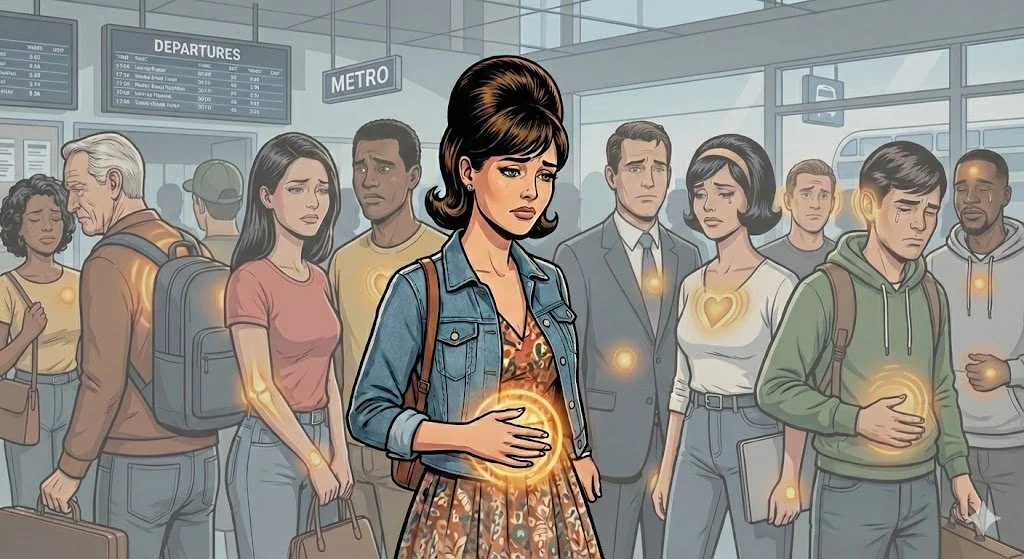






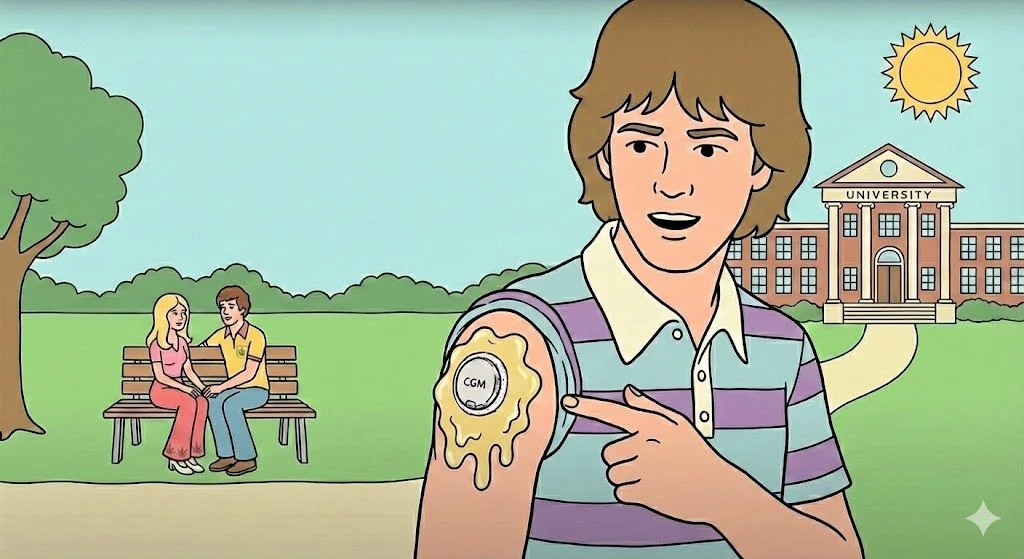


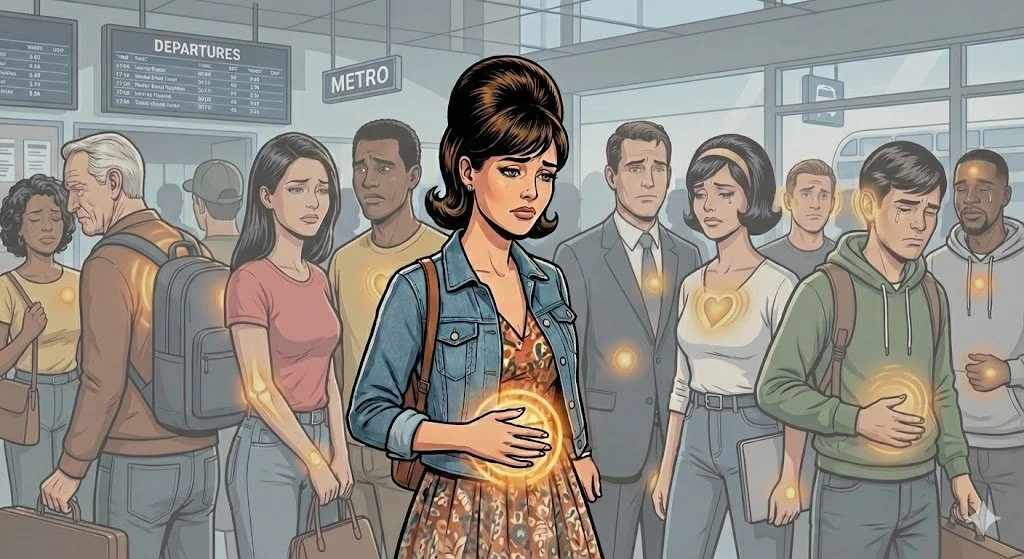


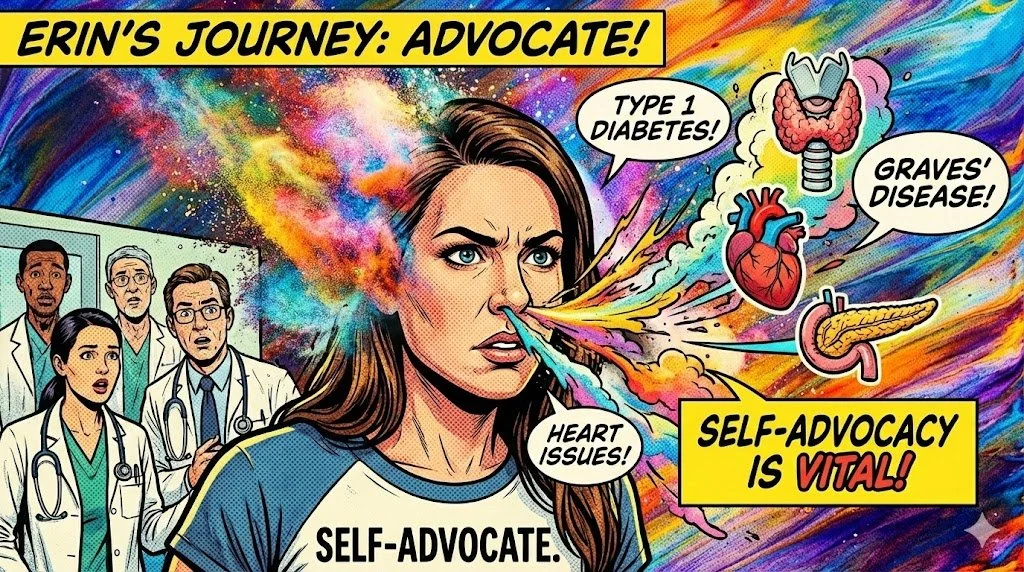





Please support the sponsors








The Juicebox Podcast is a free show, but if you'd like to support the podcast directly, you can make a gift here. Recent donations were used to pay for podcast hosting fees. Thank you to all who have sent 5, 10 and 20 dollars!
